
 UK
The classic Skunk smell.
Love the classic Skunk smell? These cannabis seeds are described with a skunk taste and aroma. Taste comes from terpenes and changes from plant to plant, even within one pack, and a slow cure brings it out. Plan for the smell, too: it carries.
416 seed products
50% off
- Regular
- Photoperiod
- Feminized
- Photoperiod
25% off
- Regular
- Photoperiod
25% off
- Regular
- Photoperiod
- Regular
- Photoperiod
25% off
- Regular
- Photoperiod
- Feminized
- Photoperiod
- Regular
- Photoperiod
- Regular
- Photoperiod
- Feminized
- Autoflower
- Feminized
- Autoflower
- Feminized
- Photoperiod
25% off
- Feminized
- Photoperiod
- Regular
- Photoperiod
25% off
- Regular
- Photoperiod
- Feminized
- Photoperiod
- Feminized
- Autoflower
- Feminized
- Autoflower
15% off
- Feminized
- Photoperiod
9% off
- Regular
- Photoperiod
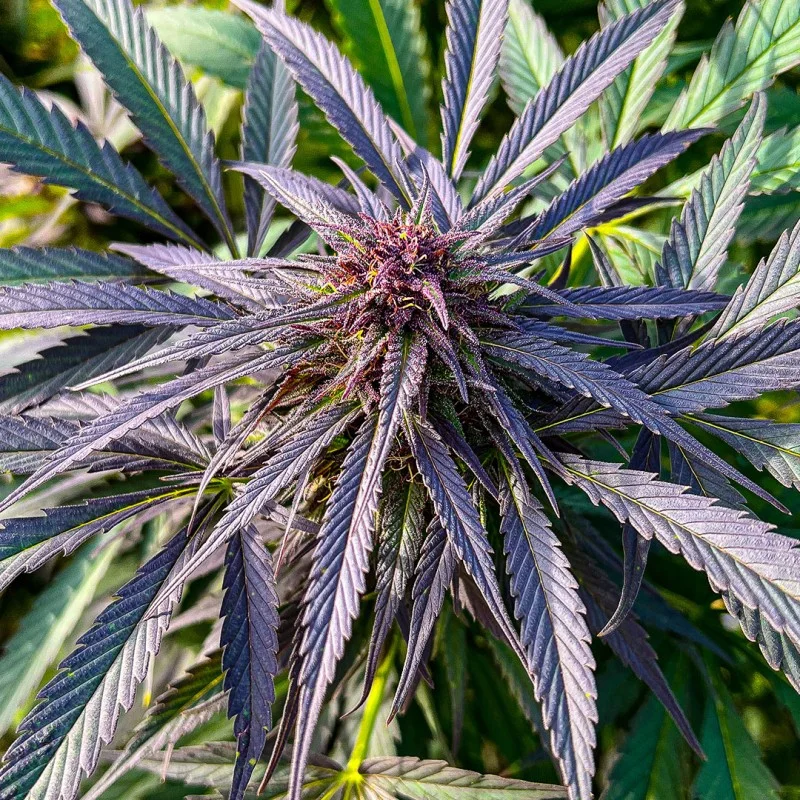
9% off
- Regular
- Photoperiod
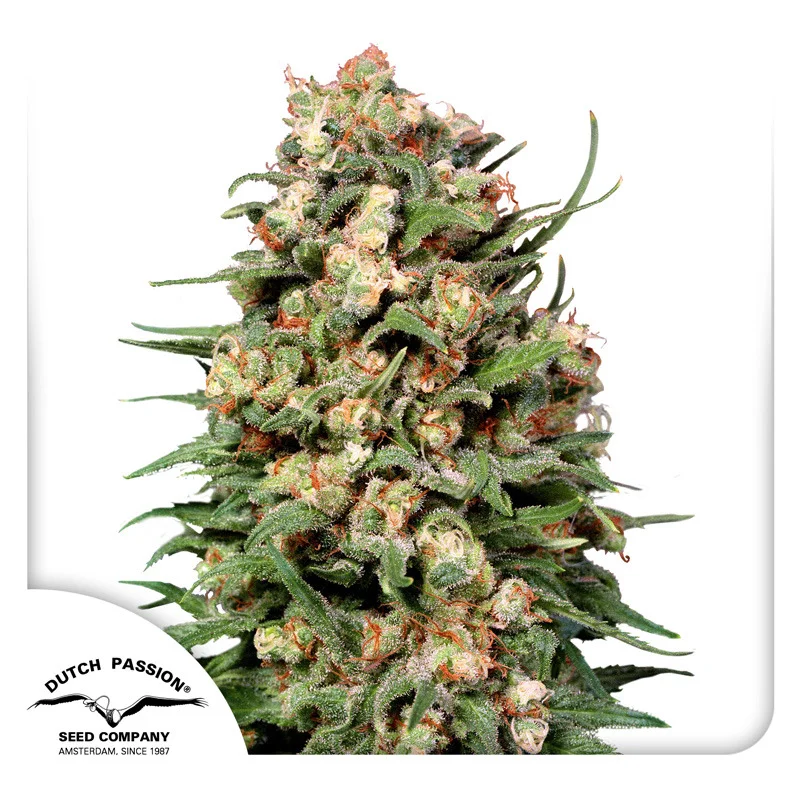
9% off
- Regular
- Photoperiod
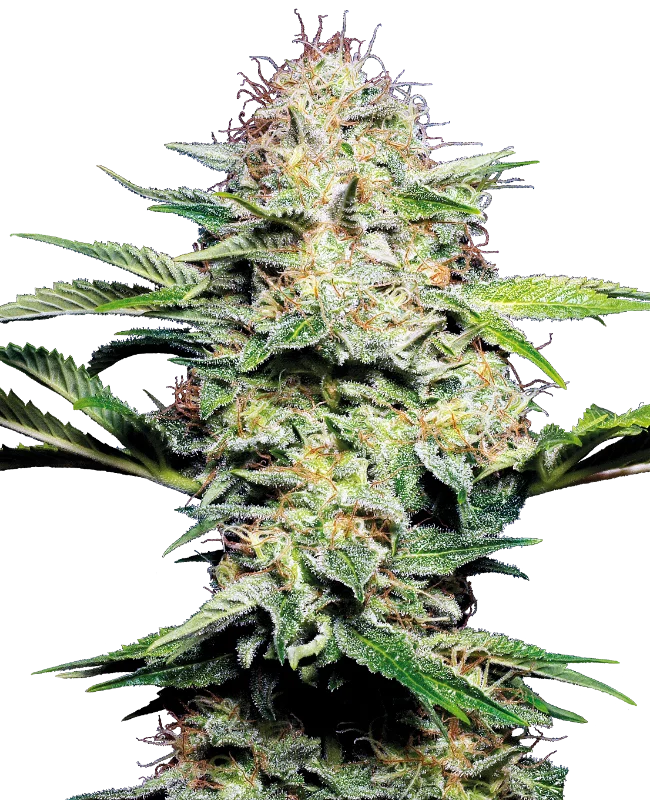
25% off
- Feminized
- Autoflower
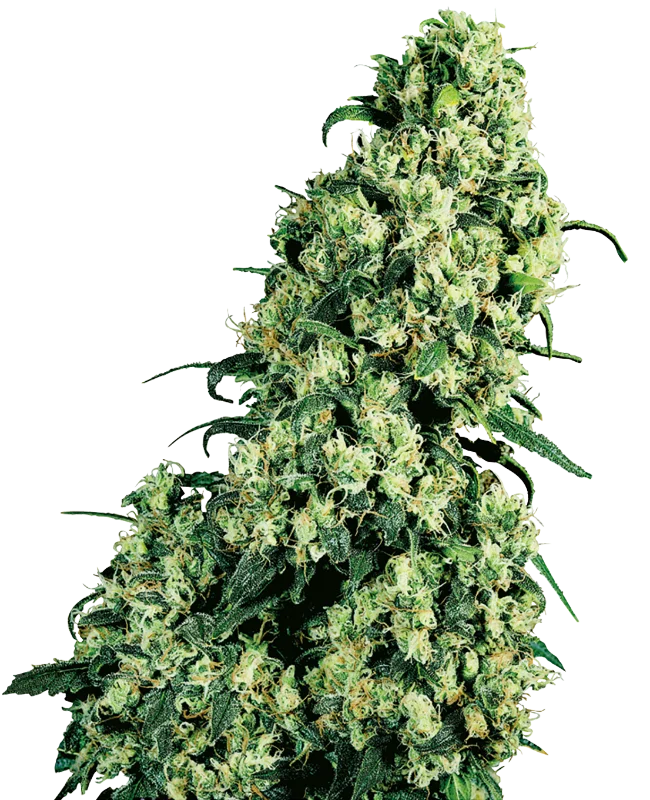
25% off
- Feminized
- Photoperiod





Filters we used, and why
- Taste skunk: as the breeder or a shop describes it. Taste and smell.
What the skunk taste is
Skunk is the pungent, musky smell many people think of first when they think of cannabis: sharp, earthy, a little sour, and strong. It comes from terpenes and other aroma compounds the plant makes as it flowers. The name goes back to Skunk #1, one of the best-known strains in cannabis history, and to the smell of the animal.
This page shows seeds the breeder or a shop describes with a skunk taste or smell. It's a taste tag, not a strain name: many strains share it.
Skunk and its neighbours
Strong, pungent smells overlap. If you like one, you'll probably like its neighbours.
| Taste tag | How growers describe it |
|---|---|
| Skunk | Musky, sharp, earthy-sour |
| Diesel | Fuel, chemical, sharp |
| Pungent | Strong and penetrating, hard to place |
| Earthy | Soil, wood, damp forest |
| Cheese | Sharp, sour, aged cheese |
Add diesel and pungent to see the wider family.
Why taste varies
Taste is the most personal thing we show. Several things change it:
- The plant: one pack can hold plants that smell quite different.
- Drying and curing: a slow dry and weeks of curing bring the smell out; a rushed dry makes anything taste like hay.
- Your nose: "skunk" means something slightly different to everyone.
A strain name doesn't promise a taste either. A strain with Skunk in its name may lean fruity; one without may smell strongly of skunk. How far to trust it.
Growing a strong-smelling plant
Plan for the smell, because it carries, especially in the last weeks of flowering.
| Where you grow | What helps |
|---|---|
| Grow tent | An exhaust fan with a carbon filter |
| Balcony or garden | Distance from neighbours; plant where the wind takes the smell away |
| Drying | A closed space with a filter; drying buds smell strongest |
How we tag taste
Breeders and shops describe taste in their own words: "skunky", "musky", "funky", "classic skunk". We map those words onto a few plain tags so you can compare seeds side by side. We take the breeder's words first, and a shop's words when the breeder gives none. A seed can carry several tags, such as skunk and sweet, because most plants have more than one note. Taste and smell.
Looking for Skunk #1 itself?
This page groups seeds by how they smell. If you want the strain called Skunk #1, search for it by name. Many breeders sell seeds under that name; they aim for genetics close to the original, and we compare them all on one strain page. What a name tells you.
Narrowing it down
- Feminized or regular: feminized or regular.
- Autoflower or photoperiod: autoflower or photoperiod.
- Price per seed: price per seed.
Make it yours
- Add diesel and pungent: the wider family of strong, fuel-like smells.
- Looking for the strain itself? Search for Skunk #1 by name.
Good to know
A taste tag is a direction, not a promise. How far to trust it.